March 18, 2023

World Water Day (March 22): A youngCanLit booklist


March 22 has been designed World Water Day. It's a day to celebrate water, from its role in our lives to our role in its sustainability and protection. From drinking water to rivers, and oceans to ponds, water plays a critical role in our lives and we in its. Some of these books celebrate our everyday relationships with water, from its life-sustaining role to our use of it for swimming, but some, especially those for older readers, emphasize the power of water during storms and floods. Others speak to the inequities of water availability and our role in water's conservation. Whether encouraging young children to recognize water as more than the stuff that comes out of the taps, or inspiring them to action, these picture books, novels and non-fiction books all remind us to consider the role water plays in our lives.
 
Anna Carries Water
Written by Olive Senior
Illustrated by Laura James
Tradewind Books 
40 pp.
Ages 3-6
2014
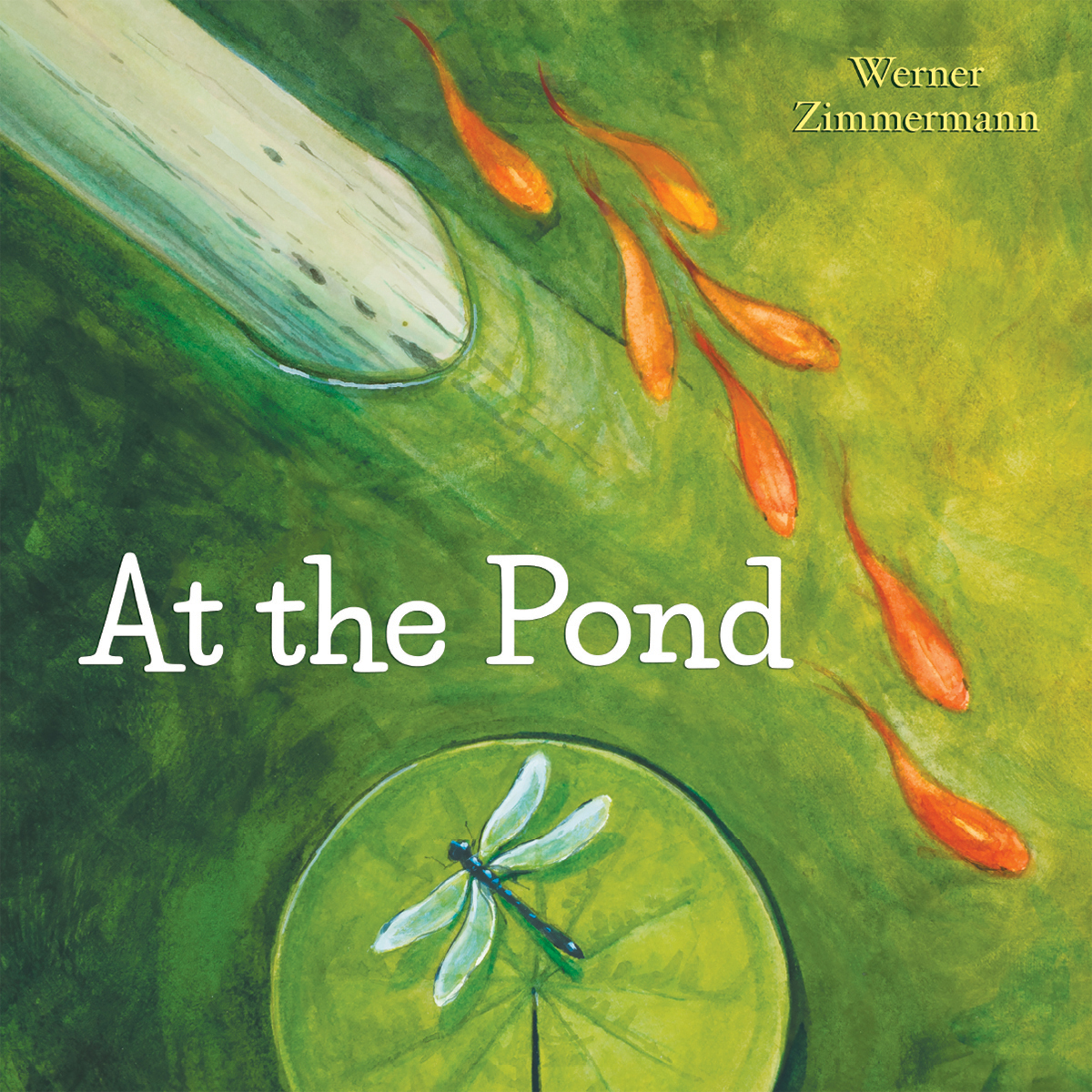
 
At the Pond
Written and illustrated by Werner Zimmermann
North Winds Press (Scholastic Canada)
32 pp.
Ages 2-5
2018
Reviewed here

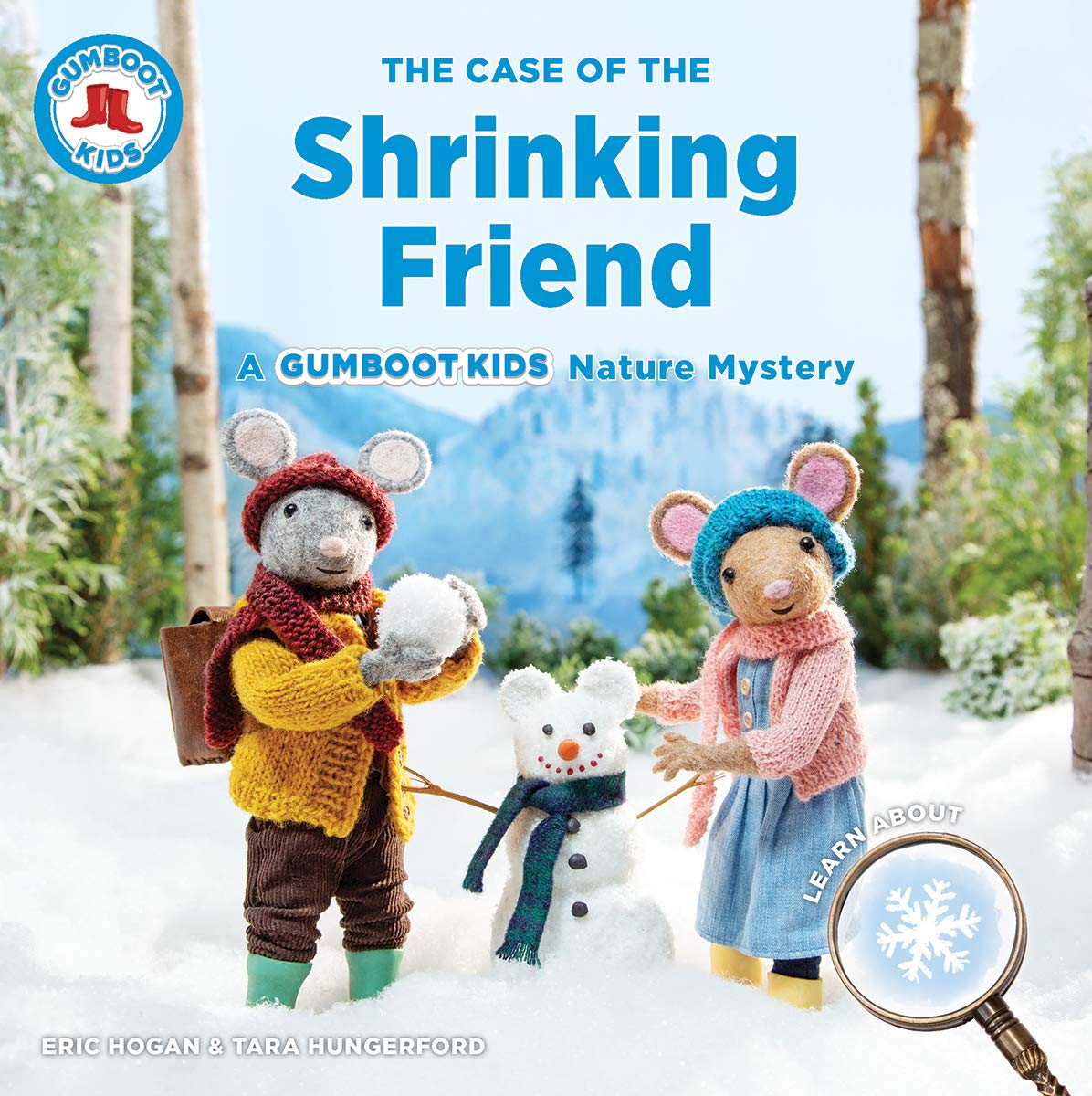
The Case of the Shrinking Friend
(A Gumboot Kids Nature Mystery)
Written by Eric Hogan and Tara Hungerford
Firefly Books
32 pp.
Ages 4-8
2021
 
City of Water
(ThinkCities)
Written by Andrea Curtis
Illustrated by Katy Dockrill
Groundwood Books
40 pp.
Ages 8-10
2021
 
Dive In! Exploring Our Connections with the Ocean
(Orca Footprint)
Written by Ann Eriksson
Orca Book Publishers
75 pp.
Ages 9-12
2018


Eco Warrior
(Submarine Outlaw)
Written by Philip Roy
Ronsdale Press
200 pp.
Ages 10+
2015
 
Every Last Drop: Bringing Clean Water Home
(Orca Footprint)
Written by Michelle Mulder 
Orca Book Publishers
48 pp.
Ages 8-12
2014
 
Fresh Air, Clean Water: Our Right to a Healthy Environment

Written by Megan Clendenan
Illustrated by Julie McLaughlin
Orca Book Publishers 
112 pp.
Ages 9-12
2022

A Good Trade
Written by Alma Fullerton
Illustrated by Karen Patkau
Pajama Press
32 pp.
Ages 5+
2012 

Mermaid Warrior Squad
Written by Karin Adams
Illustrated by Janine Carrington
James Lorimer & Co.
150 pp.
Ages 7-11
2017

My River: Cleaning Up the LaHave River

Written by Anne Laurel Carter
Formac
96 pp.
Ages 7-12
2018
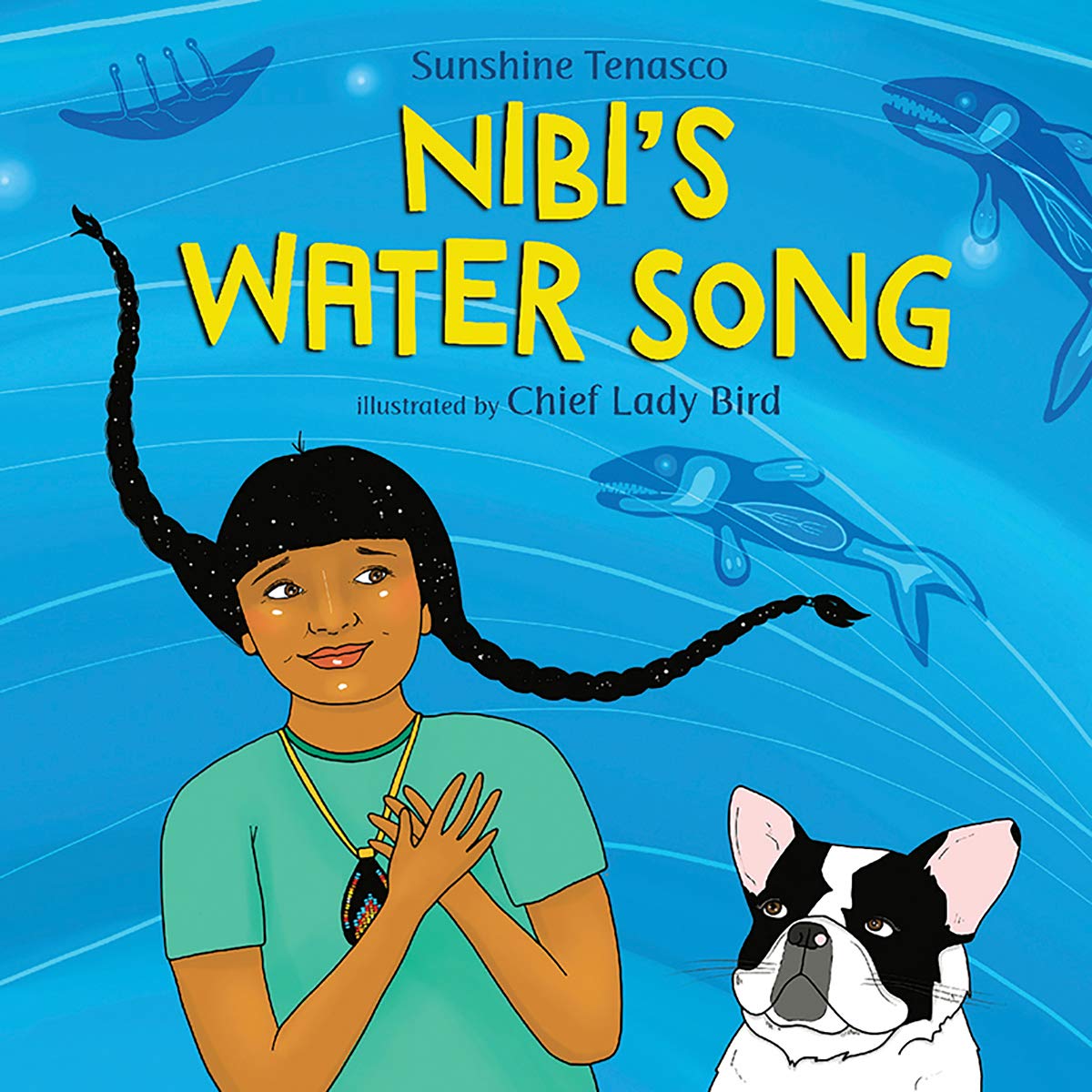
Nibi's Water Song
Written by Sunshine Tenasco
Illustrated by Chief Lady Bird
North Winds Press (Scholastic Canada)
32 pp.
Ages 4-8
2019
 
No More Plastic

Written and illustrated by Alma Fullerton
Pajama Press
32 pp.
Ages 4-7
2021
 
One Well: The Story of Water on Earth  
 
Rochelle Strauss
Illustrated by Rosemary Woods
Kids Can Press 
32 pp.
Ages 8-13
2007
 
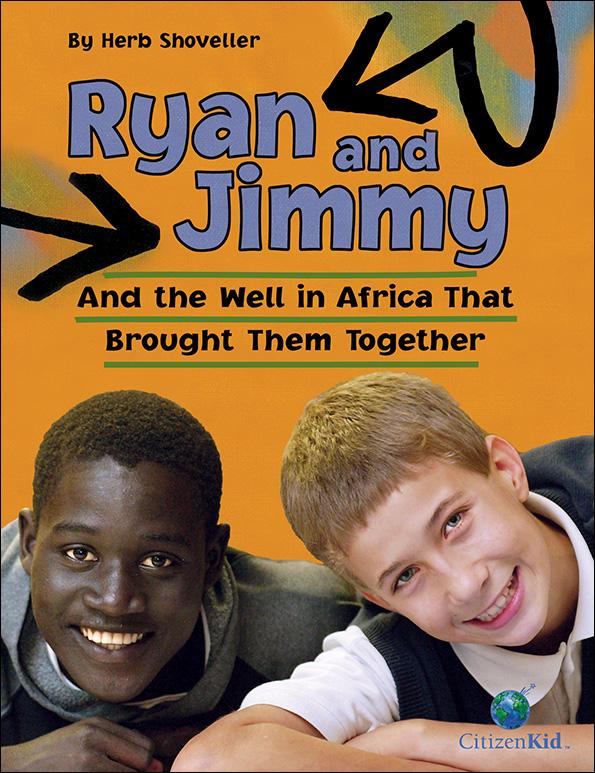
Ryan and Jimmy and the Well in Africa that Brought Them Together
(CitizenKid) 

Written by Herb Shoveller    
Kids Can Press
56 pp.
Ages 10-14
2006
 
Safe As Houses
Written by Eric Walters
Puffin Canada
176 pp.
Ages 10+
2007

Shark Lady: The True Story of How Eugenie Clark Became the Ocean's Most Fearless Scientist
Written by Jess Keating
Illustrated by Marta Álvarez Miguéns
Sourcebooks Jabberwocky
40 pp.
Ages 4+
2017
 
Swimming, Swimming
Written and illustrated by Gary Clement
Groundwood Books
48 pp.
Ages 4-7
April 2015 
 
Swimming with Seals
Written by Maggie de Vries
Illustrated by Janice Kun
Orca Book Publishers
32 pp.
Ages 4-8
2018 
 
A Terrible Tide: A Story of the Newfoundland Tsunami of 1929
Written by Suzanne Meade
Second Story Press
177 pp.
Ages 9-12 
2021
 
The Town That Drowned
Written  by Riel Nason
Goose Lane Editions
273 pp.
Ages 12+
2011
Treaty Words: For As Long As the Rivers Flow
Written by Aimée Craft
Illustrated by Luke Swinson
Annick Press
60 pp.
Ages 10+
2021
 
Upstream, Downstream: Exploring Watershed Connections
(Orca Footprint)

Written by Rowena Rae
Orca Book Publishers
48 pp.
Ages 9-12
2021
 
Walking for Water: How One Boy Stood Up for Gender Equality
(CitizenKid)
Written by Susan Hughes
Illustrated by Nicole Miles
Kids Can Press
32 pp.
Ages 7-10
2021

Water's Children: Celebrating the resource that unites us all
Written by Angèle Delaunois
Illustrated by Gérard Frischeteau
Translated by Erin Woods
Pajama Press
32 pp.
Ages 4-8
2017
 
The Water Walker
Written and illustrated by Joanne Robertson
Second Story Press
36 pp.
Ages 6-9
2017
 
Water Water
Written and illustrated by Jessica Bromley Bartram
Fitzhenry & Whiteside
32 pp.
Ages 5+
2021 
Reviewed here

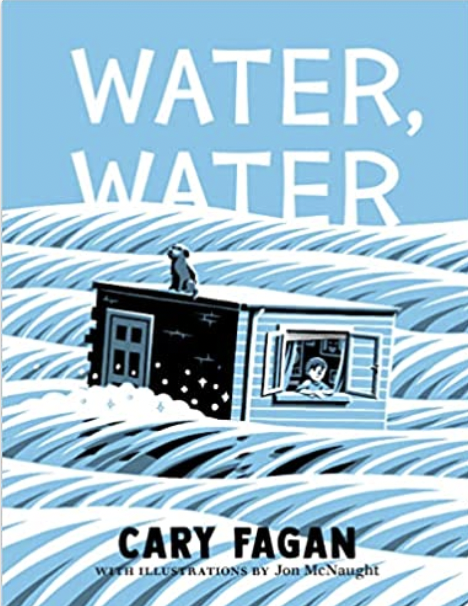
Water, Water

Written by Cary Fagan
Illustrated by Jon McNaught
Tundra Books
151 pp.
Ages 8-11
2022
 
Water Wow!: A Visual Exploration

Written by Paula Ayer and Antonia Banyard
Illustrated by Belle Wuthrich
Annick Presss
64 pp.
Ages 9-12
2016 

Wet
Written and illustrated by Carey Sookocheff
Henry Holt and Company
32 pp.
Ages 4-8
2017

Who Needs a Swamp?
(A Wetland Ecosystem)
Written and illustrated by Karen Patkau
Tundra
32 pp.
Ages 7-10
20212

Whoosh! A Watery World of Wonderful Creatures 
Written by Marilyn Baillie
Illustrated by Susan Mitchell 
Owlkids Books
32 pp.
Ages 3-7
2014

March 15, 2023

Sometimes I Feel Like a River


Written by Danielle Daniel
Illustrated by Josée Bisaillon
Groundwood Books
978-1-77306-695-0
32 pp.
Ages 3-6
March 2023
 
In 2015, Danielle Daniel brought us Sometimes I Feel Like a Fox to help her own child identify with his First Nations roots and allow other children to see themselves in the strengths and behaviours of animals. Now, Danielle Daniel has teamed up with illustrator Josée Bisaillon to take children on another sensory experience, one in which her poems reflect feelings as landscape elements from rivers to oceans and even the moon.

From Sometimes I Feel Like a River by Danielle Daniel, illus. by Josée Bisaillon
In four-line free verses, Danielle Daniel compares children's moods to how they experiences different environmental attributes. When a child feels like the sun, there is brightness and joy inside of them. If one feels like a river, it's because there is bending and maneuvering around obstacles. Another feels strong like a mountain, another peaceful like the sky, and others feels like rain or rainbows. All moods are reflected and recognized.
From Sometimes I Feel Like a River by Danielle Daniel, illus. by Josée Bisaillon
Just as there are different moods, there are different children, ensuring that all young readers might see themselves within and know that they and their feelings are validated.
From Sometimes I Feel Like a River by Danielle Daniel, illus. by Josée Bisaillon
Sometimes I Feel Like a River is a lovely meditative reflection in sensory metaphors. Both in Danielle Daniel's verse and in Josée Bisaillon's art, the emotions that are reflected are true, emulating both the range of experiences within and as a part of our natural world. Danielle Daniel's words take us into the smile of a rainbow, the "boom, roar, bang" of thunder or the depths of an ocean. We feel through her words what the child feels. But the feelings are not just internal. They are also connecting with the outside world and that's what Danielle Daniel wants us to do. She completes her book with a text called "A Mindful Walk or Roll" to help children take an excursion into nature to see and feel, to hear and smell. She wants children to know that they reflect the world as the world is part of them.
 
Because Josée Bisaillon uses a variety of media, including soft and wax pastels, cut paper, coloured pencils, gouache, charcoal, and even digital art, she can depict a full range of emotions and textures of place and people. Whether a child is reaching mountain peaks into the clouds or swimming in the colourful underwater world of an ocean, Josée Bisaillon delivers us into the experience.

Even after feeling the full range of emotions portrayed through Danielle Daniel's words and Josée Bisaillon's illustrations, I was left subdued and in a contemplative mood, pondering my own natural world of snow and trees and sun. Sometimes I Feel Like a River made me feel part of something, something bigger and more important. It's a good feeling.

March 13, 2023

Biindigen! Amik Says Welcome

Written by Nancy Cooper
Illustrated by Joshua Mangeshig Pawis-Steckley
Owlkids Books
 978-1-77147-515-0
32 pp.
Ages 3-7
March 2023
 
It may be a reunion of beavers, but Amik's little sister Nishiime is a little anxious. What should she expect from all these beavers coming from far and wide?
From Biindigen! Amik Says Welcome by Nancy Cooper, illus. by Joshua Mangeshig Pawis-Steckley
From the East and the far West, from the North and the South, Amik's cousins arrive and are welcomed. They bring gifts from their regions, whether a woven headband or berries in a basket, all generous and all received with gratitude. But Nishiime is nowhere to be found.
From Biindigen! Amik Says Welcome by Nancy Cooper, illus. by Joshua Mangeshig Pawis-Steckley
As the beavers go looking for Nishiime, Amik asks the deer, fish, fox, and otters if they've seen her. Though none have seen her, they all acknowledge the help that the beavers' activities have fortuitously provided them. Whether it's being able to reach the leaves of felled trees, or channels to swim in, a bridge to cross, or feeding in shallow waters created by dams, all the animals are appreciative.
From Biindigen! Amik Says Welcome by Nancy Cooper, illus. by Joshua Mangeshig Pawis-Steckley
It's not until the cousins are preparing to head home that Nishiime comes out of hiding, revealing the reason for her apprehension, and recognizing it as unfounded.

Using beavers to tell her tale, Nancy Cooper reminds us that, though we might come from different places and have different families, we are more alike than we might expect. Nishiime almost misses out on meeting her beaver cousins because of her fears; fortunately, she finally recognizes that though they might wear different markings, jewelry, and clothes, and all have different names–Amik is Anishinaabe, Amisk is Cree, Gopit is Mi'kmaq, Amicos is Algonquin, Kigiaq is Inuktitut, Qowut is Ayajuthum and Tsyennìto is Kanyen-kéha Mohawk–they are all beavers. Moreover, Amik and her family have been making everyone feel welcome, including the different species of animals. In a story about diversity and acceptance of differences, Nancy Cooper also reminds us of the interrelationship of living things. The message of connectedness and acceptance may be subtle and very organic, but it is convincing. 
 
The Woodland illustrations of Joshua Mangeshig Pawis-Steckley, an Ojibwe artist, take us into that woodland to see these stylized animals in lush beaver habitats of land and water. From forests of birch and poplar, to dammed waters below striking sunsets of orange and turquoise, the artwork of Joshua Mangeshig Pawis-Steckley, whose earlier book Mii maanda ezhi-gkendmaanh/This is How I Know made an enormous splash with its Woodland style, brings an appreciation of the natural world of the beaver and other animals. Still, Joshua Mangeshig Pawis-Steckley always reminds us with small details like beaded bracelets, a Mi'kmaq peaked cap or a medicine pouch that this is a story based in Indigenous cultures and its teachings are even more profound because of its heritage.
 
Biindigen! Amik Says Welcome is a fresh picture book in language (a glossary of Anishinaabe and other words is included) and art, and its messages about acceptance and gratitude will make it a welcome addition to any bookshelf.

March 11, 2023

The Bee Without Wings

Written and illustrated by Amberlea Williams
Princeton Architectural Press
978-1-797222509
40 pp.
Ages 4-8
March 2023

Though some parts of Canada will still be hit by significant snowfalls today, we'll all be anticipating spring and all that that season brings with it: bees, flowers, warmer temperatures, rain and so much more. But things aren't always as expected as Sasha learns.
From The Bee Without Wings by Amberlea Williams
While out with her cat Molly, Sasha finds a bee that is acting differently. She soon realizes it has no wings. She tries to help it, first by bringing it to a flower and then, when that is unsuccessful, by offering it sugar water. After a few sips, the bee is energized. But Sasha knows that, without wings, the bee's life will be very difficult. And so, Sasha takes responsibility for Bea, giving it shelter, food, and safety. Still Sasha knows that Bea longs to fly, and so she devises a contraption that would give Bea the pleasure of flight.
From The Bee Without Wings by Amberlea Williams
But bees do not live forever, and Sasha can see Bea slowing down and eating less. The loss is hard for Sasha and Molly, but they find a way to honour her, and, with much planning and research, Sasha does just that the next spring.

There are so many lessons that parents and teachers can take from The Bee Without Wings whether it be about a bee's life cycle or dealing with loss, but Ottawa's Amberlea Williams doesn't overwork those messages. Instead, she gives us a story of a compassionate child who loves being out in the natural world and recognizes a need to care for living things. In a world of "Me! Me! Me!" it's refreshing to see a child whose heart is full of wonder and empathy. From the child's words and actions to Amberlea Williams's gouache and coloured pencil illustrations, there is brightness and kindness. Even with the tragedy of a wingless bee and her inevitable passing, Amberlea Williams gives us lightness and joy, from eyes bright with curiosity and feeling, to landscapes magnificent in both flowers and snow.
From The Bee Without Wings by Amberlea Williams
Amberlea Williams appends her story with pages about caring for early spring bees and creating your own bee-friendly garden, thus giving young readers an opportunity to do good in the natural world themselves. But, even without those conservation efforts, young readers are encouraged to open their eyes and observe nature as it is. Sasha may have benefited serendipitously by her actions, making a friend in Bea, but her efforts were wholly altruistic, giving Bea sanctuary where her physical limitations may have hampered her. It's a feel-good story that confirms the insight of Laozi that "Great acts are made up of small deeds.”

• • • • • • •
 
An activity sheet from the book is available from the publisher for download here.
 

March 09, 2023

Oculum Echo: Guest review

This review was written by student Bronte L.
 
Written by Philippa Dowding
DCB
978-1-770866652
231 pp.
Ages 9-12
2022 

The robot Echo1 awakes from slumber and, with the help of Guide, a voice in its ear, and the robot bird Peregrine1, travels the continents’ four Oculum domes and the barren deserts. Echo1's task is to search for life and monitor the starting of a civilization of humans to make sure they don’t make the mistakes of the past. 
 
Outside of Oculum, Grannie’s farm is bombed, and Miranda1, Mannfred, and Grannie must lead the children originally from Oculum to safety. But their attackers, the UnRuly, are hunting them down, and they’ve got a new secret weapon. So, Grannie sends Mannfred and his friends to spy on the UnRuly, maybe even to try and stop them, but things soon go wrong. 
 
Meanwhile, after many weeks of travelling, Echo1 is starting to lose hope in finding life. Along the way, he learns much from his guide about Earth, humans, and his many special capabilities. But lots of questions remain unanswered, including what is life, what his name means, and what happened to the world of the Olden Begones? 

Oculum Echo by Philippa Dowding is the sequel to Oculum, the Silver Birch-nominated first book in The Children of Oculum series. It’s a middle school level dystopian, sci-fi novel, told from multiple points of view.  There's Miranda1, the oldest girl from Oculum, who now must help Grannie lead the rest of the children; Echo1, who is led by the voice in his ear and a robot bird that sends him videos of his surroundings; and Mannfred, who lived outside Oculum on the farm with Grannie before the UnRuly destroyed it. The book has important themes of leadership, curiosity, perseverance, collaboration, and showing the importance of taking care of our world and each other.

Although I haven’t read Oculum, the book before this one, it didn’t take long for me to become invested in the storyline. Each character’s experiences are so wildly different and inspirational in their own ways that it makes for quite a fun read! My favourite part of the book was definitely getting to see the world through Echo1’s and Miranda’s eyes. The lives they are accustomed to are so different from our current world, and, even though their Earth was mostly destroyed, there are hints at what it was like before the disaster, with playgrounds, paper, drum kits, pigs, fish, and all kinds of other things we take for granted. I would recommend Oculum Echo to any sci-fi loving kid that enjoys adventures. 

~ Written by Bronte L., Gr. 9

The Children of Oculum, Books 1 and 2

March 06, 2023

Forest of Reading Kid and Teen Committees: 2023 Applications now being accepted


Do you love books?
 
Do you know Canadian books and authors?
 
Would you like to talk about books with other young readers?
 
How about contributing your recommendations to a summer reading list?
 
If you answered "Yes" to these questions, then have I got an activity for you!


Applications are now being accepted for the Forest of Reading's Forest Kid and Teen Committees. These committees bring young readers together to talk Canadian books and prepare summer reading lists for their peers. 
 
 
Who can apply?
There are three committees, based on grade level, who will meet on Zoom on different days in May. They are:
  • Silver Birch Kid Committee (for Grades 3-6)
  • Red Maple Kid Committee (for Grades 7-8)
  • White Pine Teen Committee (for Grades 9-12)
 
When will they meet?
  • Silver Birch Kid Committee: May 1, 2023 (9 AM- 12:30 PM EST)
  • Red Maple Kid Committee: May 2, 2023 (9 AM- 12:30 PM EST)
  • White Pine Teen Committee: May 4, 2023 (9 AM- 12:30 PM EST)
 
What happens during these meetings?
Young readers will meet on Zoom and share their opinions about recently published (from the last two years) Canadian books that they have read and enjoyed. These books should be appropriate for their age groups and not already been included on Forest of Reading nominated lists of titles. Under the guidance of Meredith Tutching, Director of the Forest of Reading, and a facilitator, readers will recommend titles, discuss their stories and the writing, and then vote on which titles, usually between 10 and 20 books, to include on the 2023 summer reading list. (Here's a pdf of a sample reading list from 2021.)

There are always special guests that drop in to speak to the committee and share their own recommendations. Past guests have included Kevin Sylvester, S. K. Ali, Kenneth Oppel, Kelley Armstrong, Eric Walters, David A. Robertson, Colleen Nelson, Zetta Elliott, Natasha Deen, Angela Ahn, Melanie Florence, and Gordon Korman.


How to apply?
Submit your application via Google form here.
Deadline for applying is April 1, 2023.

Readers will be asked to provide contact information, and information about favourite Canadian books and recently read Canadian books. (The key here is that the books must be Canadian, written by Canadian citizens or residents.)

Full details are available at the Forest of Reading website here.

March 03, 2023

Smile So Big

Written by Sunshine Quem Tenasco
Illustrated by Chief Lady Bird
North Winds Press (Scholastic Canada)
978-1-4431-8767-1
32 pp.
Ages 4-8
March 2023

Most of us, adult and child alike, will see something less than perfect in our appearance: too wide, too short, too white, too dark, nose or teeth too big, eyes too widely-spaced. There’s always seems to something that we see that others may or may not. How to see the truth?
From Smile So Big by Sunshine Quem Tenasco, illus. by Chief Lady Bird
Challa has a big, toothy smile and when she gets teased about it, her mom reassures her and shows Challa a beautiful mirror with a thunderbird design and fringe. Her mother tells her that this family heirloom would show the holder's true self, but the rule was that they "had to say what they saw in the reflection." Challa looks into the mirror and sees all her attributes and says, "I'm smiling so big. I sure do look cute." With that, the beads around the mirror light up. Challa is delighted.

From Smile So Big by Sunshine Quem Tenasco, illus. by Chief Lady Bird
When she shows her friend Neebin, who was always being teased about his long hair, Challa notices how he smiles and looks so cute when looking in the mirror. When he acknowledges aloud that he loves his long braid hair, not only do the beads light up, but the whole playground shakes and sparkles with magic! The same happens when her cousin Keggy recognizes how much she loves her dark skin and the house shakes and sparkles as it's enveloped in the magic of the thunderbird. When her friend Kiniw sees his own beauty and accepts his small size, the magic is revealed again.
From Smile So Big by Sunshine Quem Tenasco, illus. by Chief Lady Bird
Challa is perplexed why she only saw the beads light up, not the magic that came with it. She tries again to acknowledge her eyes, her nose, her hair, and her dimple but the magic doesn't appear until she feels and expresses real love for her smile.

Sunshine Quem Tenasco, Anishinaabe from Kitigan Zibi Anishinabeg, brings young readers to an Indigenous community and yet the story she tells will be understood by all of us who may be teased, or worse, about some aspect of our physical nature. With a little help from a magic mirror and the support of those who love us and came before us, we can all see, accept, and appreciate who we really are. Whether there's a magical mirror in your life or not, there are those who help you see the beauty within and those people, whether in our lives now or gone already, are our greatest champions. It's not because of validating who we are; it's because they reflect who we are through their love. Sunshine Quem Tenasco's dedication includes the following words: "To all the Indigenous kids on Turtle Island and to all the boys with braids, you are so loved. You are important. You are powerful." Her words lift those to whom she has dedicated her book but also to every child who has the good fortune to read this picture book.

Chief Lady Bird, a Chippewa and Potawatomi artist who collaborated with Sunshine Quem Tenasco on Nibi's Water Song (2019), gives us both the realism and the magic in her illustrations. The boldness of her colour and shapes impress with their power of message about beauty and self, encouragement, and heritage. Chief Lady Bird gives life and context to Sunshine Quem Tenasco's words, and together Smile So Big is as enchanting as it is grounded.

For every smile hidden because of unease, and for every cruel teasing endured, Smile So Big gives young readers the courage to see their beauty as reflected in their own mirrors, magical or not, as held by themselves and those who love them.